
Pipe Modules for Oil and Gas Rigs: Modular Fabrication
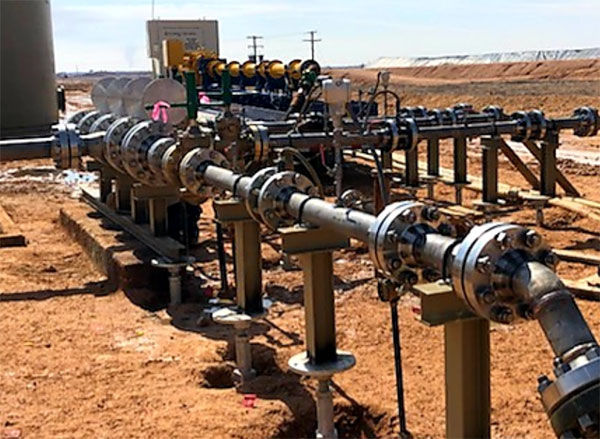
The oil and gas industry depends on reliable infrastructure that can be installed quickly, operated safely, and maintained efficiently. As production facilities become more complex and project schedules become tighter, many operators are turning to pipe modules for oil and gas rigs instead of relying entirely on field construction. At Smith Industries, custom pipe modules and fabrication solutions are designed to help customers improve project efficiency while maintaining high standards for quality and safety. Prefabricated pipe modules help reduce installation time, improve quality control, and minimize safety risks associated with extensive on-site fabrication.
Pipe modules combine piping, structural steel, valves, instruments, electrical components, and other equipment into complete assemblies that are fabricated and tested before arriving at the project site. Once delivered, these modules can be lifted into place and connected with surrounding systems, significantly accelerating construction schedules.
Whether supporting offshore platforms, drilling operations, production facilities, or processing plants, pipe modules provide a practical solution for companies seeking consistent quality and efficient project execution.
What Are Pipe Modules for Oil and Gas Rigs?
Pipe modules for oil and gas rigs are prefabricated sections of piping systems assembled in a controlled fabrication environment before transportation to their final destination. Rather than fabricating every component in the field, manufacturers construct complete modules that include:
Process piping
Structural steel supports
Valves
Pressure gauges
Instrumentation
Electrical conduit
Control systems
Access platforms
Safety equipment
Each module is engineered to integrate seamlessly with the larger facility while complying with project specifications and applicable industry standards.
This modular approach allows multiple construction activities to occur simultaneously. While foundations and structural work continue on-site, fabrication shops can build piping modules in parallel, helping shorten overall project timelines.
Benefits of Pipe Modules for Oil and Gas Rigs
While pipe modules include much more than piping alone, successful projects begin with high-quality steel piping and module fabrication. Precision fabrication ensures piping systems, structural steel, supports, and process equipment are manufactured to exact specifications before being assembled into complete modules. This controlled approach improves weld quality, dimensional accuracy, and overall installation efficiency while reducing field labor.
Reduced Construction Time
One of the primary advantages of pipe modules for oil and gas rigs is faster project completion.
Traditional field construction requires material deliveries, welding, inspections, weather delays, and coordination among numerous contractors. Prefabricated modules eliminate much of this complexity because major fabrication activities occur before shipment.
Once modules arrive at the project location, installation crews primarily focus on:
Setting modules in place
Connecting piping
Completing electrical tie-ins
Performing final commissioning
This approach can significantly reduce installation schedules compared to building every system from individual components in the field.
Improved Quality Control
Fabrication shops provide a controlled environment that supports consistent workmanship.
Unlike outdoor construction sites where weather, temperature, and limited access can affect productivity, fabrication facilities allow technicians to perform precision welding, dimensional verification, and equipment installation under carefully monitored conditions.
Quality control procedures often include:
Material traceability
Weld inspections
Dimensional verification
Hydrostatic testing
Non-destructive examination
Documentation throughout fabrication
These processes help ensure modules meet project specifications before leaving the fabrication facility.
Enhanced Worker Safety
Reducing field labor also improves overall project safety.
Fabricating complex piping systems inside a controlled facility minimizes exposure to many hazards commonly found at construction sites, including:
Working at significant heights
Extreme weather conditions
Congested job sites
Heavy equipment operating nearby
Limited workspace
Once modules arrive on-site, crews spend less time performing welding and fabrication activities, reducing overall exposure to potential safety risks.
Applications of Pipe Modules in Oil and Gas
Pipe modules support numerous operations across upstream, midstream, and downstream facilities.
Common applications include:
Production Facilities
Production facilities require extensive piping networks to transport oil, natural gas, produced water, and processing fluids. Modular piping systems simplify installation while supporting efficient production startup.
Offshore Platforms
Offshore projects often face strict transportation limitations and compressed installation schedules.
Pipe modules allow fabrication work to be completed onshore before modules are transported by barge or heavy-lift vessel to offshore installations.
Gas Processing Plants
Gas processing facilities utilize complex piping systems for compression, separation, dehydration, and treatment operations.
Modular construction helps improve consistency across these highly engineered systems.
Compressor Stations
Compressor stations require numerous interconnected piping assemblies supporting compressors, filters, valves, instrumentation, and safety systems.
Pipe modules simplify installation while maintaining precise alignment between equipment.
Gathering Systems
Oil and gas gathering systems transport production from multiple wells to centralized processing facilities. Modular piping assemblies allow operators to expand infrastructure efficiently as production increases.
Engineering Considerations
Successful pipe modules for oil and gas rigs begin with detailed engineering.
Design teams evaluate:
Process Requirements
Engineers determine:
Operating pressure
Temperature
Flow rates
Process fluids
Corrosion considerations
Future expansion requirements
These factors influence material selection and overall module configuration.
Structural Design
Modules must withstand:
Transportation loads
Crane lifting forces
Wind loading
Equipment weight
Operational vibration
Proper structural engineering helps maintain integrity throughout fabrication, shipping, and installation.
Material Selection
Material selection depends on operating conditions.
Common materials include:
Carbon steel
Stainless steel
Low-alloy steel
Specialty alloys for corrosive environments
Selecting appropriate materials supports long-term durability and regulatory compliance.
Fabrication Process
High-quality pipe modules follow a structured fabrication process.
Material Procurement
Fabrication begins with sourcing certified materials that meet project specifications and applicable codes.
Material documentation supports traceability throughout manufacturing.
Cutting and Welding
Precision cutting, fitting, and welding form the foundation of every module.
Qualified welders follow approved welding procedures while inspectors verify weld quality during fabrication.
Equipment Installation
After piping assemblies are completed, technicians install:
Valves
Instruments
Supports
Electrical components
Control devices
Proper alignment ensures modules integrate efficiently during field installation.
Inspection and Testing
Before shipment, modules undergo multiple inspections that may include:
Visual inspections
Hydrostatic testing
Dimensional verification
Non-destructive examination
Functional testing where applicable
Testing helps identify issues before modules arrive at the project site.
Transportation and Installation
Pipe modules are designed with transportation in mind.
Engineers consider:
Highway transportation restrictions
Crane capacities
Shipping dimensions
Lift points
Weight distribution
Proper planning minimizes installation challenges once modules reach the construction site.
Installation typically involves positioning modules with cranes before connecting piping systems, electrical components, and instrumentation to adjacent equipment.
Industry Standards
Pipe modules for oil and gas rigs are typically fabricated according to recognized industry standards that promote safety and quality.
Organizations such as the American Society of Mechanical Engineers (ASME) publish widely adopted codes governing pressure piping and pressure vessel construction. The Occupational Safety and Health Administration (OSHA) also establishes workplace safety requirements that influence fabrication and construction activities.
Working with experienced fabricators who understand these standards helps owners maintain compliance throughout the project lifecycle.
Choosing the Right Fabrication Partner
Selecting the right fabrication partner plays an important role in project success.
Consider factors such as:
Experience with oil and gas projects
Welding certifications
Quality management procedures
Engineering capabilities
Large-scale fabrication capacity
Inspection and testing capabilities
On-time delivery history
A qualified fabricator should communicate clearly throughout design, fabrication, testing, and delivery while maintaining documentation that supports quality assurance.
Companies with integrated engineering and fabrication capabilities can often streamline communication and reduce delays throughout the project.
Why Modular Fabrication Continues to Grow
The demand for modular construction continues to increase as energy companies seek greater efficiency and predictable project outcomes.
Pipe modules help owners:
Shorten construction schedules
Improve fabrication quality
Reduce field labor
Increase worker safety
Simplify project coordination
Support consistent installation practices
As projects become more technically demanding, modular fabrication offers a practical solution that balances quality, schedule, and long-term reliability.
Working with an experienced fabrication partner ensures pipe modules are engineered, fabricated, inspected, and delivered according to the requirements of each unique project.
Whether supporting new construction, facility expansions, or equipment upgrades, pipe modules for oil and gas rigs remain an important part of modern industrial infrastructure. Selecting an experienced fabrication partner can help improve project quality, shorten installation schedules, and ensure every module is built to meet your operational requirements. Contact us to learn how Smith Industries can support your next oil and gas fabrication project.


Comments